
Creating a home office space that is both cozy and productive can make a significant difference in your work-from-home experience. Whether you are freelancing, running a business, or simply need a dedicated spot to focus, having the right environment helps improve focus and maintain a healthy work-life balance.
In this guide, we’ll share practical tips to help you design a home office that feels inviting and supports your productivity.
Choose the Right Location
The first step in setting up your home office is picking the right spot. Ideally, find a space with minimal distractions and good natural light.
– Quiet corners: Look for a part of your home away from high-traffic areas.
– Natural light: Position your desk near a window to boost your mood and energy.
– Dedicated space: If possible, have a separate room to clearly define your workspace.
Even a small nook can work well if it’s thoughtfully organized.
Invest in Comfortable, Ergonomic Furniture
Comfort is key to staying productive. Investing in ergonomic furniture helps prevent aches and improves focus.
– Ergonomic chair: Choose one with adjustable height, back support, and cushioning.
– Supportive desk: Ensure your desk height allows your arms to rest comfortably when typing.
– Footrest and monitor stand: Small accessories can improve your posture and reduce strain.
Comfortable furniture makes it easier to work for longer periods without discomfort.
Prioritize Good Lighting
Lighting affects your energy levels and helps reduce eye strain during long work hours.
– Natural light: Make the most of daylight by positioning your workspace near windows.
– Task lighting: Use adjustable desk lamps to brighten your work area when needed.
– Avoid glare: Position screens to reduce reflections from windows or overhead lights.
Using layered lighting creates a balanced atmosphere for different tasks.
Personalize Your Space
Adding personal touches can make your office more inviting and motivate you to work.
– Decor: Choose artwork, photos, or plants that inspire you without cluttering your space.
– Color: Soft, calming colors tend to improve focus and reduce stress.
– Textures: Incorporate cozy elements like cushions, rugs, or curtains to add warmth.
A space that feels uniquely yours can boost your mood and productivity.
Organize and Declutter
A tidy workspace helps maintain focus and reduces stress.
– Storage solutions: Use shelves, drawers, or boxes to keep supplies in order.
– Cable management: Use clips or sleeves to keep cords neat and out of the way.
– Daily tidy-up: Spend a few minutes each day clearing your desk to reset your workspace.
A clutter-free area signals your brain that it’s time to work.
Incorporate Technology Wisely
Having the right tech setup enhances your efficiency.
– Reliable internet connection: A stable connection avoids interruptions.
– Quality peripherals: Comfortable keyboards, mice, and headsets reduce physical strain.
– Backup power: Consider surge protectors or battery backups to safeguard your devices.
Invest in technology that supports your workflow without adding complexity.
Create Boundaries to Separate Work and Life
Especially when working from home, clear boundaries help prevent burnout.
– Set work hours: Stick to a schedule that defines when you start and finish work.
– Designated workspace: Use your home office only for work-related activities.
– Signaling methods: Use signs or routines to indicate when you are “at work” to housemates.
Healthy boundaries improve focus and help you relax after work.
Add Elements That Promote Wellness
Your workspace should support not only productivity but also your well-being.
– Greenery: Plants improve air quality and add a calming touch.
– Air circulation: Keep your workspace well-ventilated to stay alert.
– Movement: Incorporate standing breaks or quick stretches to avoid stiffness.
Taking care of your body while working helps sustain long-term productivity.
Conclusion
Designing a home office that is cozy and productive is all about balancing comfort with functionality. By choosing the right location, investing in ergonomic furniture, managing lighting, organizing well, and setting boundaries, you can create a space that supports both your work and well-being.
Take time to personalize and adjust your office until it feels just right. A thoughtfully designed home office not only improves your productivity but also makes work-from-home more enjoyable.
Related Posts
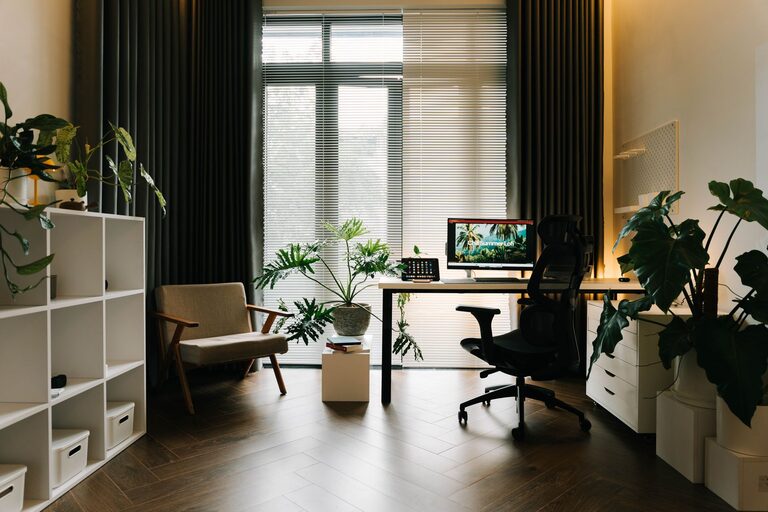
Tips for Creating a Cozy and Functional Home Office Space
Creating a home office space that is both cozy and…

Tips for Creating a Relaxing Home Workspace to Boost Productivity
Working from home offers flexibility but also comes with challenges—especially…
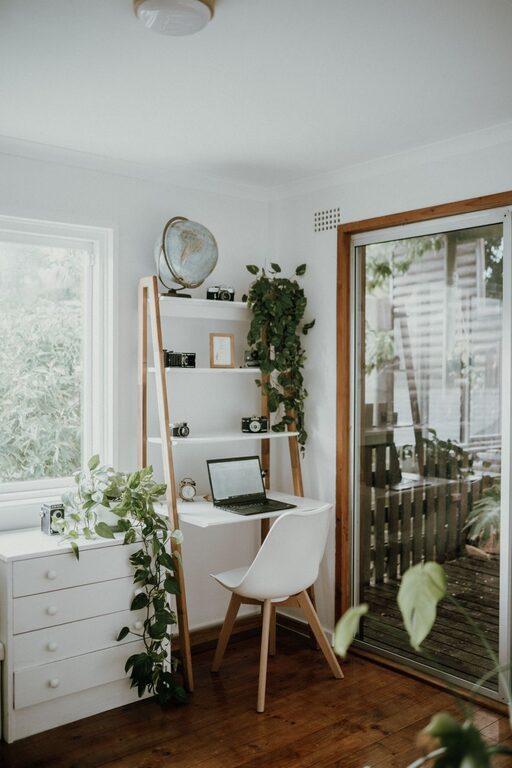
Tips for Creating a Cozy and Inviting Home Workspace
Creating a cozy and inviting home workspace is essential for…